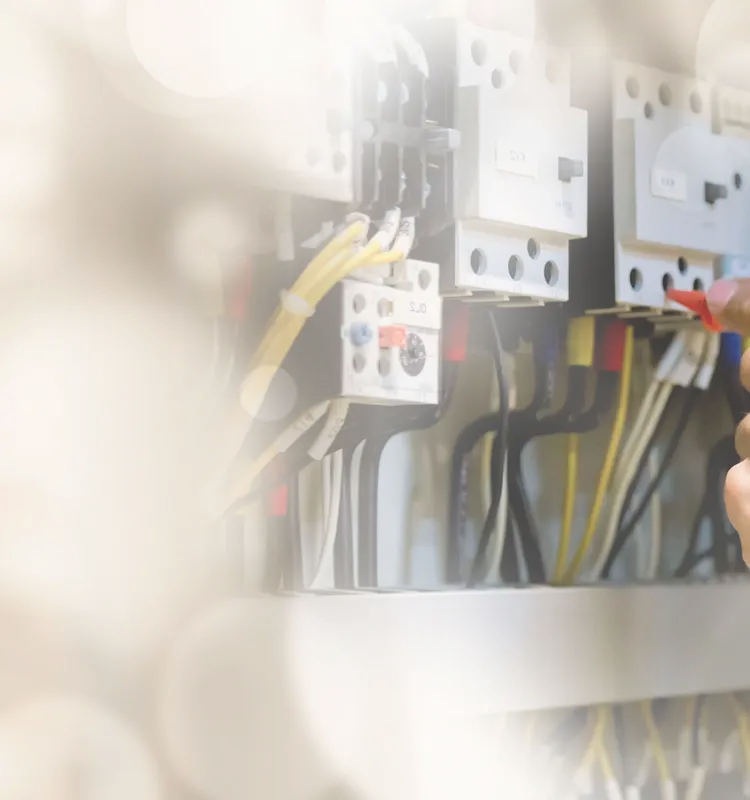
Homes across Glendora were mostly built with panels sized for a much smaller household load, and homeowners notice it the moment fuses run out of room or a breaker will not reset. Local electricians, including the network of electrical contractor in Cherry Hill, work through these panels often, and many visits also turn up outlets that need professional GFCI circuit installation near sinks and baths.
These older setups need someone who has actually opened panels like this before, which is why homeowners here call a local electrician instead of a general handyman.
Why Local Wiring Knowledge Matters in Glendora
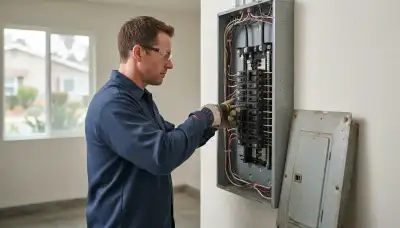
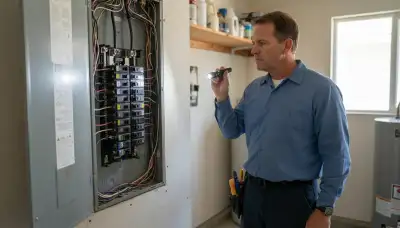
A local electrician working around Glendora already knows how these panels were laid out and where a home has likely been added onto without a matching upgrade to the wiring behind the walls.
Work here often means either replacing an undersized panel or adding circuits to a kitchen that has never had enough outlets. Homeowners nearby also reach out for electrical contractor in Marlton, NJ when a similar issue shows up.
A warm outlet or a breaker that will not hold should get looked at before it becomes a bigger repair.
How Glendora Homes Shape the Work Involved
A generic approach fails here because the panel location, what sits beneath the floor, and how tight the lot is all change how much of the wall or ceiling has to open up for a single new circuit.
Some Glendora homes sit over a full basement with the panel nearby, while others were built on a slab, which means running a new line involves fishing wire through finished ceilings; a detached garage nearby often needs its own expert electrical wiring run separately from the house.
Homes like these commonly need reliable electrical panel upgrade work, quality outlet repair, specialists ceiling fan installation, and professional generator installation to keep the house running through an outage.
When Glendora Homes Went Up Still Matters
Many houses around Glendora went up in the years spanning the 1950s and into the 1960s, when panels were built to run a stove, some lights, and maybe a window unit, not the appliances, electronics, and air conditioning a household runs today. Three things follow from that: too few open slots for new circuits, wiring never planned for central air, and outlets that were never grounded to begin with.
Fuses With No Room Left
Homeowners open the panel and find every fuse slot filled, with no way to add a circuit for a new appliance or a finished room without pulling permits for a bigger box. Left alone, homeowners keep running extension cords as permanent wiring, which strains the whole system further.
Local electricians replace the old fuse box with a modern breaker panel sized for what the home actually runs now, the same fix used for electrical services in Maple Shade, NJ homeowners nearby.
Kitchen Circuits That Trip Constantly
Running a microwave and a coffee maker at once trips the breaker because the kitchen was wired for one small appliance at a time, not the counter full of equipment most households use today. This keeps happening until dedicated circuits are added.
An electrician adds dedicated circuits for the kitchen and bathroom, splitting the load so two appliances can run together without a trip, and outlets stop feeling overworked.
Aluminum Wiring Losing Its Grip
Homes wired in the late 1960s and early 1970s often used aluminum wire at the connections, and decades of expansion and contraction have loosened those connections enough that outlets and switch plates run warm to the touch. Left alone, this heat buildup can no longer be trusted at the outlet.
Electricians correct this by adding approved connectors at every aluminum splice or replacing the run outright, which stops the heat buildup and restores a safe, steady connection at each outlet.
A Panel Never Sized for a Car Charger
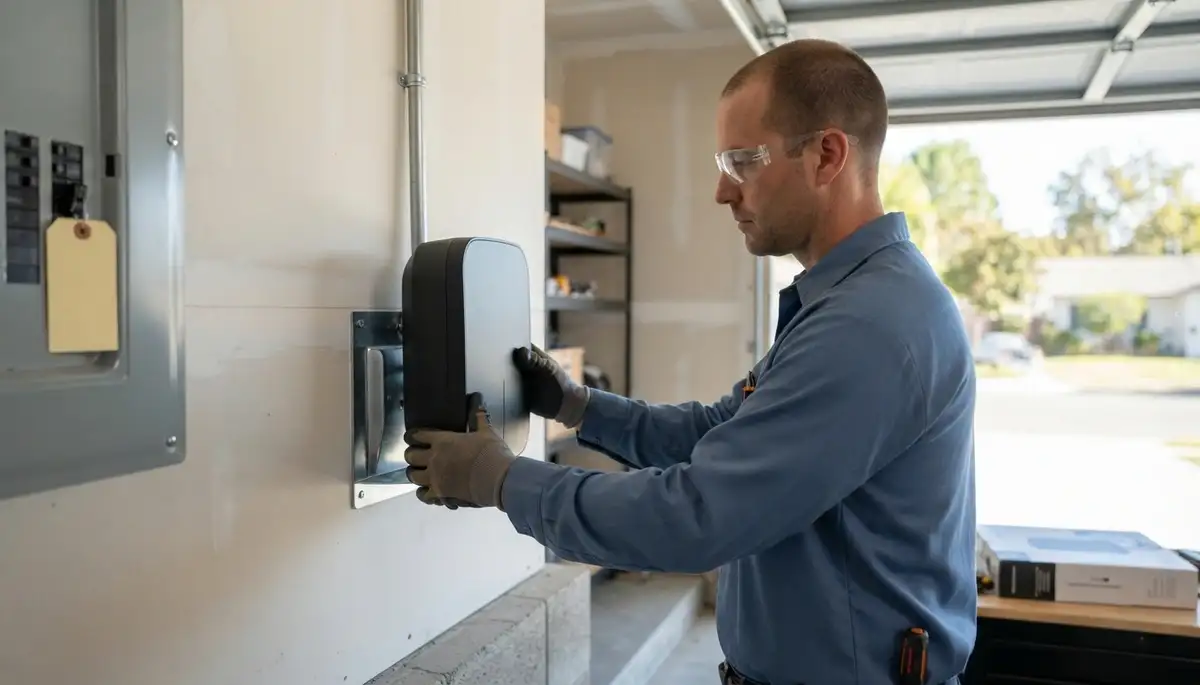
Adding a car charger, a pool pump, or a new air conditioner pushes a 100 amp panel past what it was ever sized to carry, and summer heat only makes that load heavier on the hottest afternoons. The panel simply cannot keep up.
A panel upgrade adds real headroom, so the homeowner can charge a car overnight, run the pool pump, and keep the air conditioning on without ever tripping the main breaker.
A Tight Lot Complicating Access
A detached garage at the back of a narrow lot, or a panel tucked in a tight utility closet, means the electrician needs a clear path to run new lines without disturbing finished space nearby. Access shapes how the job gets scheduled.
Local electricians plan the route before opening anything, using existing chases and crawlspace access where possible, so the work finishes with minimal patching and the homeowner is not left with torn-up drywall.
Call (856) 512-1144 to arrange a no-pressure visit with a local electrician who can walk through the panel and wiring with you.
On Call Electrical backs every visit with work that holds up for years.

Full Range of Electrical Services in Glendora, NJ
Below is the full range of work available, organized so you can find what matches what is happening in your own home right now.
Urgent Electrical Repair Needs in Glendora, NJ
- A breaker that will not reset no matter how many times it is flipped
- An outlet that sparks or smells warm when something is plugged in
- Lights that flicker across the whole house, not just one room
- A burning smell near the panel or a switch plate
- Power that cuts out in part of the house without warning
Any of these calls for a same-visit look before the problem spreads further.
Panel and Wiring Upgrades in Glendora, NJ
- Replacing a fuse box with a modern breaker panel
- Upgrading service size to support central air and modern appliances
- Rewiring rooms still running on original two-wire circuits
- Adding dedicated circuits for kitchens and home offices
- Running new wiring for finished basements or additions
These jobs address a panel or wiring system that was sized for a much smaller household than what lives there now.
Safety and Protection Upgrades in Glendora, NJ
- Installing outlets with test and reset buttons near sinks and baths
- Adding the newer breakers that catch arcing before it starts a fire
- Replacing two-prong outlets with properly grounded ones
- Installing smoke detectors that meet current safety expectations
- Adding whole-home surge protection ahead of the panel
Each of these closes a gap between how the home was originally wired and what keeps a household safe today, whether that means stopping a shock hazard at a bathroom outlet or catching a fault before it reaches the walls.
Lighting, Outdoor, and Added-Load Work in Glendora, NJ
- Installing landscape lighting along walkways and driveways
- Wiring a pool pump or pool lighting for a backyard pool
- Adding circuits for a car charger in the garage
- Installing recessed lighting during a kitchen or living room update
- Running power to a shed or detached workshop
These projects usually come up once a homeowner adds something the original wiring never planned for, from a backyard pool to a car charger.